
Continuing education credit is not offered for these on-demand videos which are for informational purposes only. For courses offering continuing education, please checkout our live events or visit our partners at CASAT Learning.
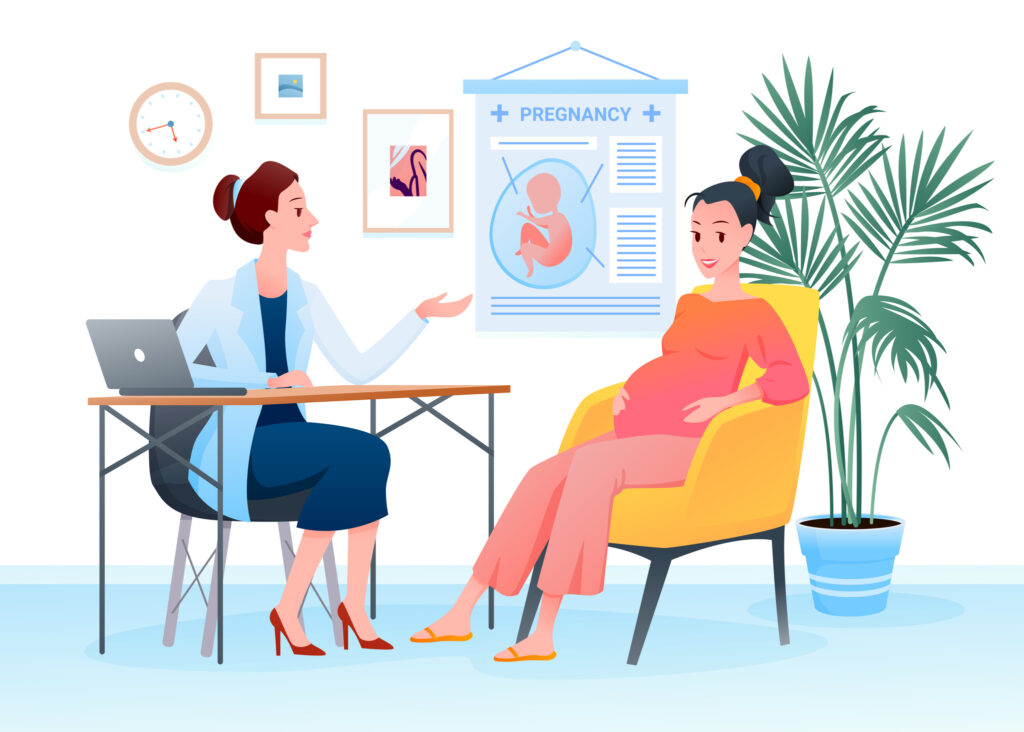
By the end of this presentation participants will be able to:
Understand the SBIRT process in identifying individuals with an opioid use disorder (OUD) & those at risk of developing an OUD
Understand how to assess a pregnant individual with an OUD
Identify & understand treatment options for pregnant & postpartum individuals experiencing an OUD
Understand the benefits of utilizing medications in the treatment of individuals experiencing an OUD
This session offers a deeper dive into the application and practice of CRM skills. Through group activities and discussion, participants reinforce the six core skills and examine how sensory awareness and resilience-building support holistic prevention strategies, particularly around substance use. The session also highlights current research and explores practical ways to bring CRM into a variety of communities and care settings.
This introductory session provides an overview of the six core wellness skills of the Community Resiliency Model (CRM), a strengths-based, science-backed approach to regulating the nervous system in response to stress and trauma. Participants will learn how trauma affects mental and physical health and explore how CRM’s sensory-motor techniques can help restore balance and build resilience. The session also discusses the role of a “CRM Guide” in sharing these skills with others to support community wellbeing.
By the end of the session, participants will be able to: Describe the ACE Study, its key findings, and the connection between ACEs and health outcomes, including substance use disorders. Explain how toxic stress impacts brain development, the body’s stress-response systems, and mental health, particularly as it relates to substance use risk factors. Identify the systemic issues that perpetuate cycles of trauma and substance use. Explore Positive Childhood Experiences (PCEs), protective factors, and evidence-based interventions that counteract ACEs and foster resilience.
Participate in a reflective exercise designed to strengthen internal resilience while establishing the foundation for the importance of Community Resiliency Model (CRM).
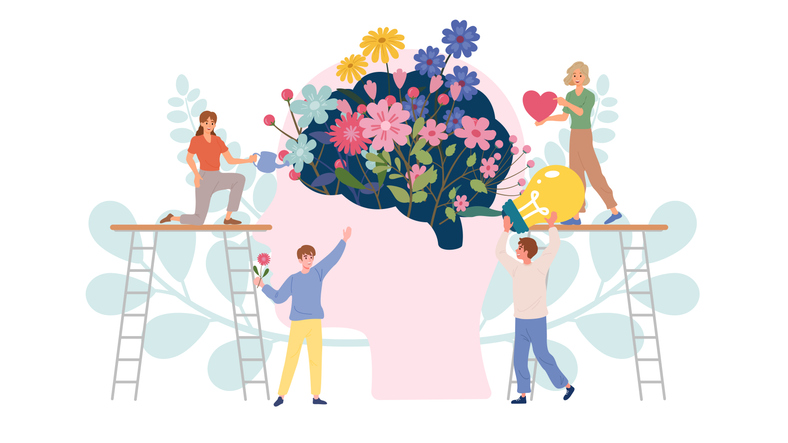
By the end of the session, participants will be able to:
- Outline the current state of the opioid crisis, and how it’s changed over time presenting unique challenges and opportunities.
- Recognize the need for substance use prevention and resilience.
- How a program with a mixed methods approach is changing how we view substance use prevention.
-Demonstrate how stories of loss can mobilize communities to make an impact.
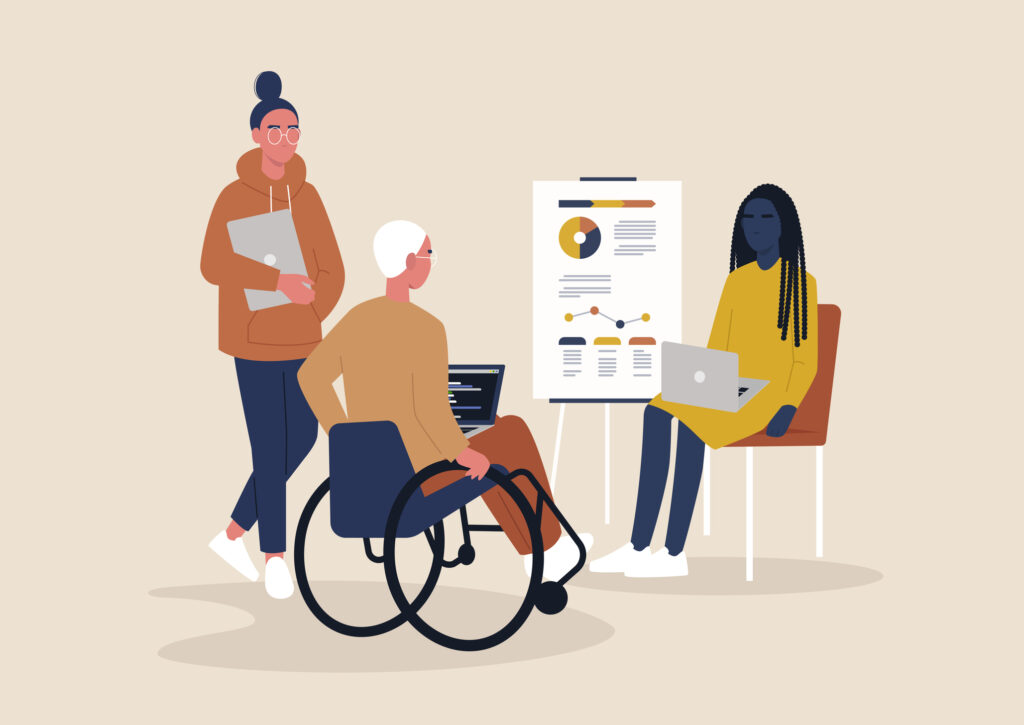
As the opioid crisis continues to impact communities across the country, there is a growing need to strengthen the network of support around individuals with opioid use disorder (OUD). One critical role in this support system is the Community Health Worker (CHW). CHWs bridge gaps between healthcare, social and human service systems and individuals in need, offering culturally appropriate education, resources, and advocacy.