Continuing education credit is not offered for these on-demand videos which are for informational purposes only. For courses offering continuing education, please checkout our live events or visit our partners at CASAT Learning.

This video centers grief, loss, and complex emotions in Native communities—and in the lives of helpers themselves—in the context of ongoing trauma, overdose deaths, and substance use. Blending Indigenous trauma science, grief practices, and Western neuroscience (such as the window of tolerance and nervous system responses), we will focus on both provider wellness and usable skills.

People who inject and use drugs (PWID/PWUD) are at increased risk for skin and soft tissue infections (SSTI’s) and chronic wounds. This training will provide an overview of the different types of wounds and infections encountered with PWUD as well as low barrier treatment options.

This video explores culture as a primary medicine in Native communities and as a key foundation for effective opioid‑related prevention, treatment, and recovery support. Using the Medicine Wheel as a practical framework, we’ll braid Indigenous ways of knowing with current neuroscience, ACEs/NEAR science, and what we now understand about nervous systems and brain health.
We’ll look at how historical and ongoing trauma have impacted wellness, help‑seeking, and engagement in SUD/OUD services—and how cultural strengths such as kinship, ceremony, story, and connection to land can guide more effective, less stigmatizing care with Native communities across Nevada.
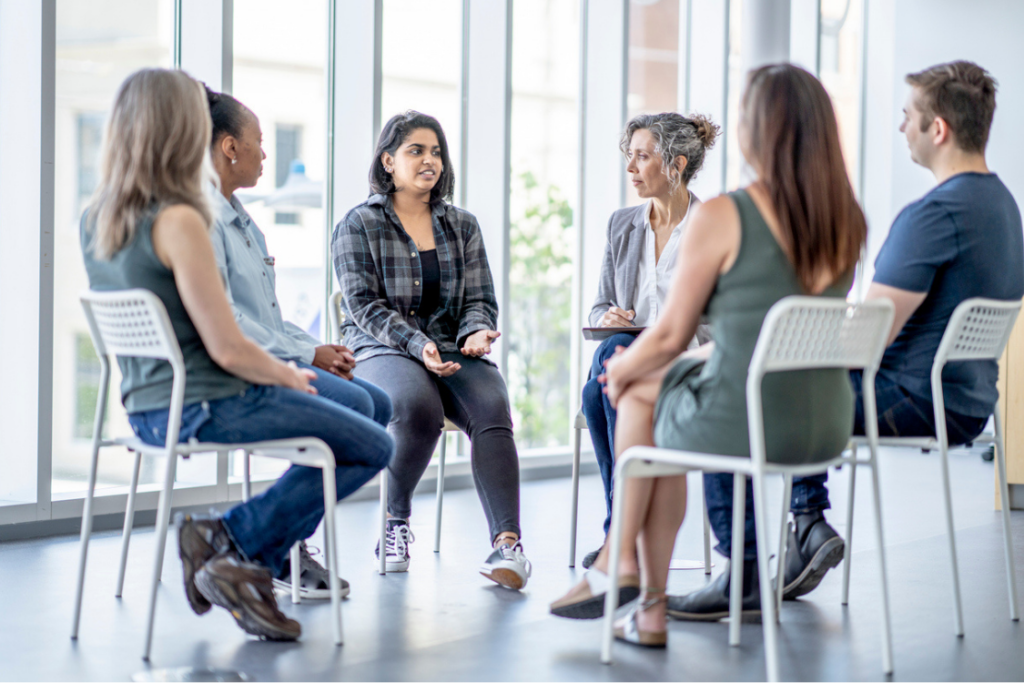
This recorded presentation combines a film screening with guided discussion to explore the shared emotional, professional, and systemic impacts of losing a client to suicide or an opioid overdose. Adapted from materials developed by the Suicide Prevention Resource Center (SPRC), the session provides behavioral health providers and administrators with practical postvention strategies to support healing, resilience, and professional recovery following client loss.
Through brief video segments and facilitated dialogue, participants will examine the parallels between suicide loss and overdose loss, discuss evidence-informed postvention strategies, and share experiences from the field. The event will also highlight clinical and community resources available through the Nevada Opioid Center of Excellence (NOCE) and SPRC to help providers and organizations respond with compassion, structure, and self-awareness in the aftermath of loss.

This video explores how healthcare providers and community partners can engage with the DEA National Prescription Drug Take Back Day initiative and leverage DEA's free outreach resources to address the opioid epidemic. With a focus on Tribal inclusion, presenters will highlight opportunities to collaborate with DEA in developing culturally responsive prevention materials for American Indian and Alaska Native communities. Participants will leave with practical knowledge of available tools, partnership pathways, and strategies for supporting Tribal-focused opioid response efforts.

Traditional clinical interventions for Opioid Use Disorder (OUD) are foundational to recovery, but true sustained healing often requires replacing the profound void left by addiction with purpose, community, and physiological wellness. This NOCE Listening Session explores the validated efficacy of physical fitness, outdoor recreation, and targeted nutrition as powerful adjunct modalities in OUD treatment.