Nutrition

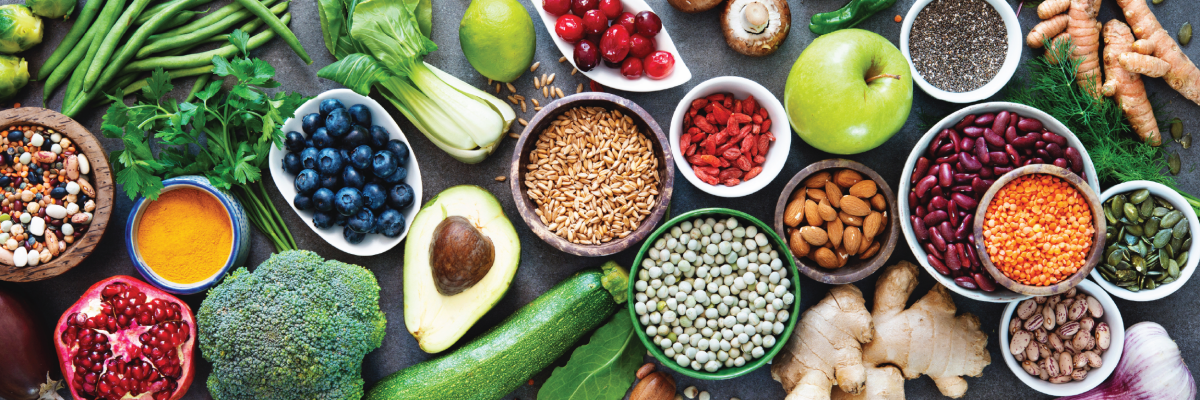
Bountiful display of greens, fruits, and grain.

Nutrition plays a critical but often overlooked role in recovery from opioid use disorder (OUD) and stimulant use disorder. Opioids and stimulants disrupt the body’s ability to absorb and use essential nutrients, often leading to significant deficiencies in vitamins, minerals, and macronutrients necessary for brain function, mood regulation, and physical health. These deficiencies can intensify cravings, increase the risk of relapse, and worsen conditions like depression and anxiety that often occur alongside substance use.

The gut-brain connection is particularly relevant in OUD recovery, as opioid use affects the gastrointestinal system and can impair the nutrient absorption and brain chemical production that support emotional well-being. Stimulant use often suppresses appetite, leading to malnutrition and disordered eating patterns that can persist into recovery. Addressing nutritional needs alongside treatment is not supplemental care, it is an essential part of whole-person recovery. The resources below offer practical guidance for providers and people in recovery on integrating nutrition support into substance use treatment and recovery planning.

Nutrition Resources

Websites

Diet, Nutrition, and Substance Use Disorder

This resource from Utah State University Extension reviews how diet and nutrition are impacted during active substance use and the role nutrition can play in treatment and recovery. It includes a practical table of common nutritional concerns specific to opioid use disorder, such as appetite loss, constipation, weight changes, and cravings, along with evidence-based recommendations.

Healthy Living, Sustainable Recovery Resource Center

The Healthy Living, Sustainable Recovery (HLSR) Resource Center is an evidence-informed program that bridges substance use recovery with physical health and emotional wellbeing through nutrition and physical activity education.

Tools & Resources

This resource explores how telehealth can be used to access nutrition support, covering available services, how virtual visits work, and tips for making the most of an appointment.
This tool outlines how to deliver nutrition care through telehealth, including the use of HIPAA-compliant technology, virtual assessments, and personalized care planning. It also highlights ways to improve access to supportive health services, address nutrition-related needs, and reduce barriers to care for underserved populations through virtual service delivery.

Posters & Infographics

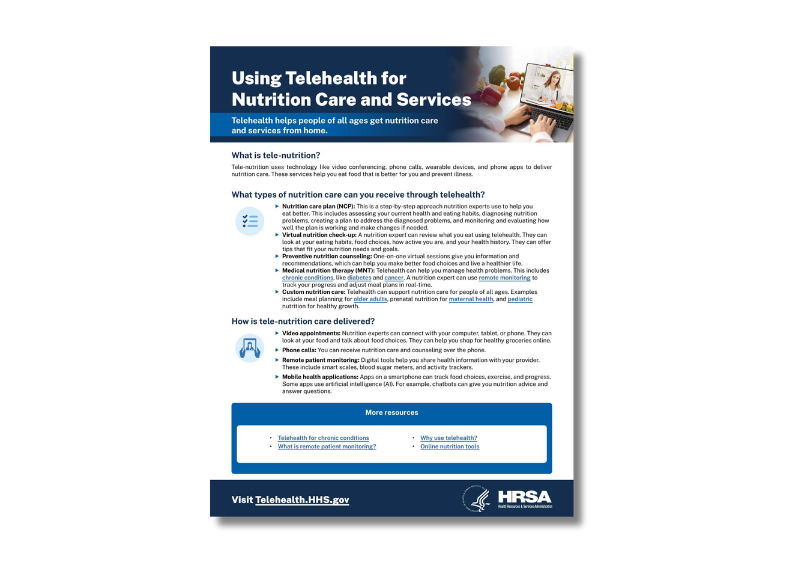
A single-page infographic with a dark navy blue header containing the title "Using Telehealth for Nutrition Care and Services" in large bold white text, with a photograph in the top right corner showing a person using a laptop with fresh fruits and vegetables nearby. Below the header, a blue banner reads "Telehealth helps people of all ages get nutrition care and services from home." The page is divided into three sections. The first, "What is tele-nutrition?", explains that tele-nutrition uses technology like video conferencing, phone calls, wearable devices, and apps to deliver nutrition care and help prevent illness. The second section, "What types of nutrition care can you receive through telehealth?", features a blue circular checklist icon and a bulleted list covering nutrition care plans, virtual nutrition check-ups, preventive nutrition counseling, medical nutrition therapy, and custom nutrition care. The third section, "How is tele-nutrition care delivered?", features a blue circular icon of a person on a video screen and lists video appointments, phone calls, remote patient monitoring, and mobile health applications. At the bottom, a dark navy box labeled "More resources" contains four links: Telehealth for chronic conditions, What is remote patient monitoring?, Why use telehealth?, and Online nutrition tools. The footer includes "Visit Telehealth.HHS.gov" in bold white text alongside the HHS shield logo and the HRSA logo.

Patient Tip Sheet: Using Telehealth for Nutrition Care Services

Share this tip sheet with your clients/patients so they can learn more more about the types of nutrition care they can receive through telehealth and how they can connect to nutrition experts virtually. 
Download Fact Sheet

Publications

This fact sheet explains the role of macronutrients—carbohydrates, fats, and proteins—in supporting energy, physical and mental health, and overall recovery. Adequate intake helps reduce cravings, prevent relapse, and improve treatment outcomes, while deficiencies can contribute to low energy, depression, and anxiety.
This fact sheet explores the gut-brain connection and its impact on recovery. Gut health influences nutrient absorption, mental health, cravings, and satiety, all of which affect substance use recovery. Understanding and supporting gut health through nutrition is essential for overall well-being.
This fact sheet examines how body dissatisfaction—negative feelings about appearance—can drive unhealthy dieting behaviors and eating disorders. Cultural and societal ideals often influence these perceptions, making body image a key factor to consider during recovery.
This fact sheet explores the high co-occurrence of eating disorders and substance use, emphasizing the need to address both simultaneously in recovery. Recovery can disrupt hunger cues and lead to overeating or weight gain, highlighting the importance of integrated support for nutrition, body image, and substance use.
This fact sheet highlights the importance of micronutrients (vitamins and minerals) for supporting bodily functions, mental health, and recovery. Deficiencies can lead to depression, poor attention, and sleep problems. Key nutrients like iron, folate, and B vitamins are crucial for producing brain chemicals that regulate mood and behavior.
This fact sheet addresses weight changes during recovery, including post-use weight gain and distorted hunger cues. It warns against fad diets and restrictive behaviors, which can worsen recovery outcomes and increase the risk of relapse.

Webinars & Online Learning

Current News & Research

Experiences with Healthy Eating Among Individuals with Opioid Dependence (2025)

A 2025 study finding that despite assumptions to the contrary, many people receiving opioid agonist treatment are motivated to improve their diets, particularly in social settings. The study highlights cost and access as primary barriers and supports integrating nutrition support directly into outpatient clinic care.

Novel Intervention to Improve Food Insecurity Among Individuals with OUD (2025)

A 2025 randomized clinical trial finding that food insecurity is 4 to 7 times greater among people with OUD than the general population and is associated with increased risk for drug use, infectious disease, and premature death. The study tested a mail-based meal delivery intervention for people receiving methadone or buprenorphine treatment.